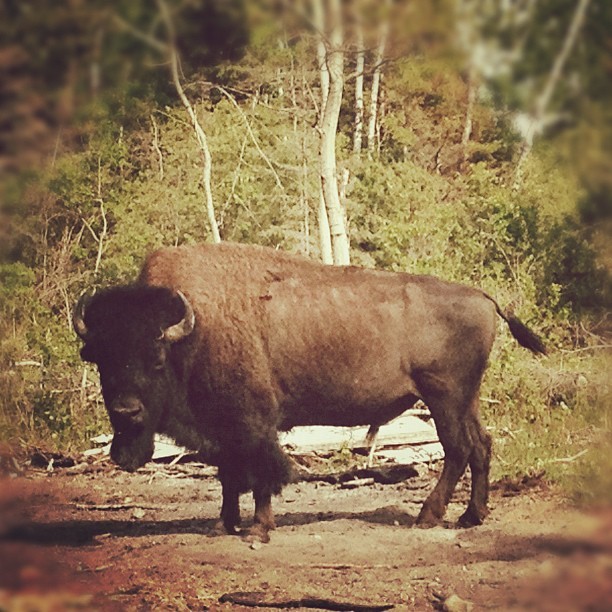
Print a paper atlas of anywhere in the world. Scribble on it, add features, take notes. Your annotations can be shared online, transcribed in digital form as photos uploaded back to the Field Papers site.
Just keep watching.
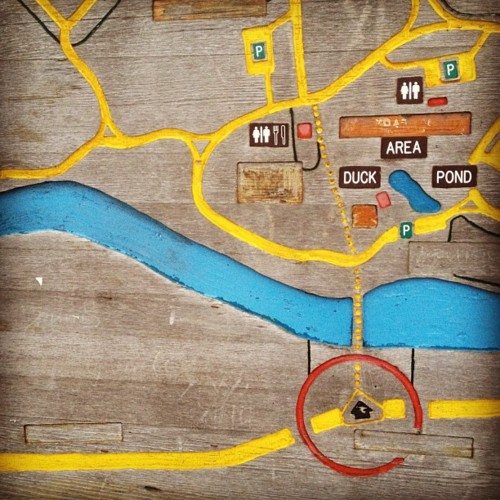
Area duck pond.
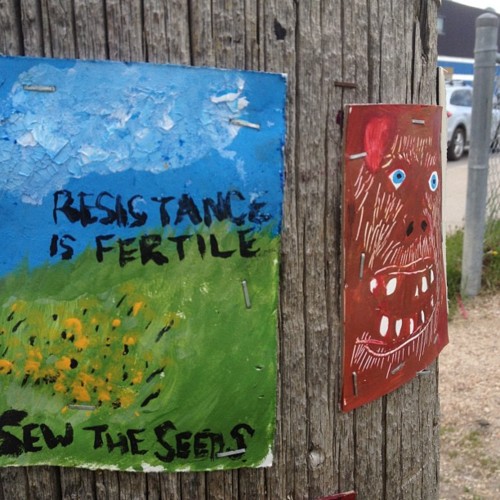
Somewhere in Winnipeg, resistance is fertile.
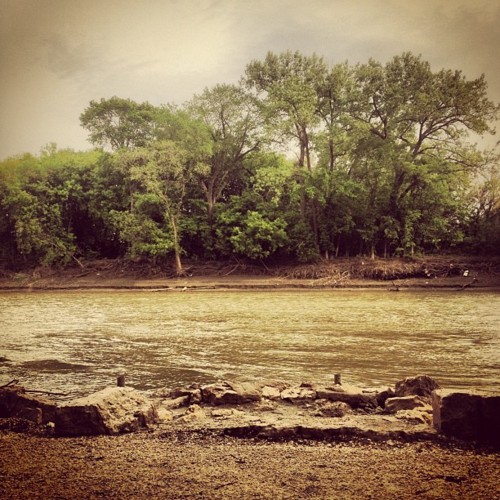
This is now part of my bike ride home. I like this route better than Portage avenue.

No time to meander through the big blue? Catch the curated best of MeFi.
A printable poster.
Life in AdWords by Erica Scourti
“Every day, I write and email my diary to my Gmail account and copy over the list of suggested keywords linking to clusters of relevant ads, making visible the way we and our personal information are the product in the ‘free’ internet economy.”
In this video Erica Scourti reads the Gmail ads for her diary entries from the month of March 2012.


![Perpetual Ocean [hd video]](https://live.staticflickr.com/7223/7009056027_b4d5c22cb3_b.jpg)
Perpetual Ocean from NASA
“This visualization shows ocean surface currents around the world during the period from June 2005 through Decmeber 2007.”
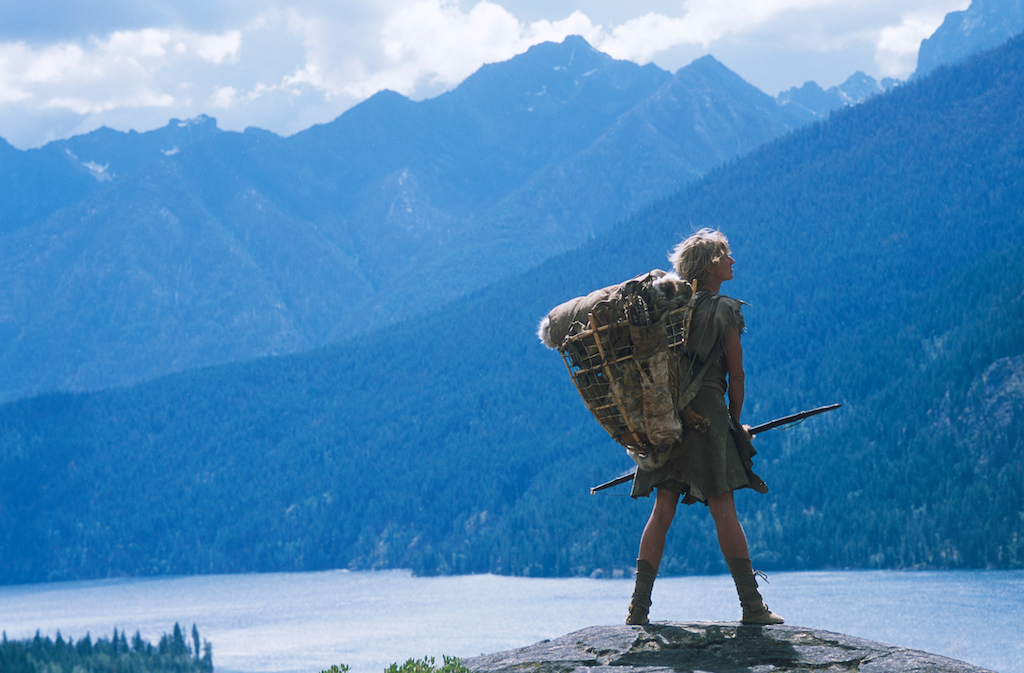
There are growing number of people
who have decided to live light on the earth
to not be a part of problem anymore
I spent the last few years with four of them
striving for harmony with nature
in the most pristine corners of United States.
Eulogy for Craig Sisk
 Yesterday we held a memorial to celebrate the life of my brother-in-law Craig Sisk. Craig passed away on March 29th, 2012 at the age of 34. Here is the eulogy I wrote for Craig.
Hello. My name is Kyle. I’m married to Craig’s sister Shannon. I would like to share some of the memories Shannon and I have of Craig. My hope is that through these memories Craig’s personality will shine through. I’ll start by explaining that the three of us shared a love of bizarre movies and TV shows. When I first met Craig we had a long discussion about David Lynch and Twin peaks. Much later, Craig hooked Shan and me on the television show LOST by giving us the first two seasons on DVD for Christmas.
LOST was filmed on the island of Oahu in Hawaii. In February of 2011 the three of us went on a 9 day vacation to Oahu. We rented a car and a house in the east-coast town of Kailua. Shannon had lived with Craig when she was younger, but this was one of my few exposures to the 24/7 Craig experience. Every day with Craig was an adventure.
 When we were planning the trip the first thing Craig did was to book us on a full day tour of LOST filming locations. The tour was amazing, but afterwards Craig still wanted more. He wanted to visit the beach where the LOST survivor camp scenes were recorded. So the next day, after some some research on the internet, we programmed the GPS with the beach’s location and we hopped into the car. On the way to the beach we visited the Byodo-In Buddhist temple. Craig bought himself a karate-kid style headband in the giftshop. When he discovered that visitors were allowed to ring the temple’s 5 foot, 3 ton sacred bell, he could hardly contain himself. And ring it he did, maybe a little too enthusiastically. Using the wooden log suspended near the bell, Craig took a running start. The bell rang out with a deep solid tone that echoed through the mountains that surrounded the temple. I could feel the vibrations passing through me.
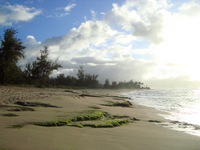
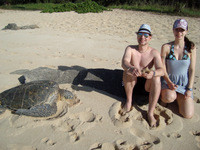 We left the temple and after many hours of driving we arrived at the LOST beach. We parked the car and walked through the woods towards the ocean. We had arrived in paradise. There were no people on the beach, but a large number of giant sea turtles were sunning themselves and eating the lush-green algae along the edge of the water. Craig was so excited to see the turtles that the next day he told me that his face hurt him from smiling so much at the beach.
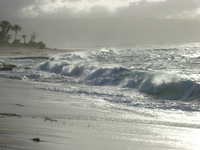 After we took our pictures with the turtles the wind started to pick up. Craig suggested that we go for a swim but the waves looked dangerous, and I said so. “Never fear,” said Craig and he started digging through his bag. He pulled out the martial-arts headband he bought at the temple, put it on, and confidently started marching towards the water. It was on. I couldn’t help but follow him. In we waded, the water getting deeper and deeper. Suddenly a giant wave appeared. It picked us up and hurled us through the air. Down we came with a crash onto the beach. We had sand in our bathing suits, in our ears, and in our mouths. To make matters worse, the ocean had stolen Craig headband. I looked over at Craig and we burst out laughing. Over and over again we ran into the waves only to be tossed back against the sand.
Craig was upset about losing his headband. After we had toweled off he decide to see if it had washed up onto the rocky portion of the beach. He was now wearing his shorts, shirt, and a hat he bought the day before. The ocean was wasn’t through with him. Soon after he began his search a wave came crashing down on him, soaking him, and stealing his new hat too.
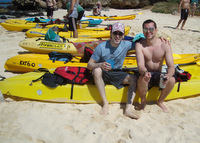 The next day we rented kayaks and paddled out to explore some near-by islands. Craig wanted a tan, but instead he got a horrible sun burn. Even this couldn’t keep down his spirits. By then he loved Hawaii so much that he was scheming about ways to get his green card so that he could move there.
* * *
 Many of our memories of Craig involve music. The songs we are playing today were chosen by Shannon. The first song we heard was A Fistful Of Dollars by Ennio Morricone, from the movie of the same name. It was perhaps a non-conventional choice for a memorial, but Craig loved Spaghetti Westerns. Soon we will be listening to Enjoy the Silence by Depeche Mode, a band that he traveled to the states to see in concert. At the end of the service we’ll hear This Charming Man by the Smiths. Craig truly was a charming man. When you spoke with Craig he really listened. Even if you were with a group of people he could make you feel like you were the only one in the room. When it was his turn to speak he’d sometimes throw in a shocking white-lie, just to see if you were paying attention, but his sinister smile would always give him away.
Here are a few more memories of the times Shannon and I shared with Craig:
- I remember going with him and Shannon to Advance Electronics to buy his first set of turntables. We set them up in the basement of his condo. He couldn’t wait to invite his friends over.
- The first time he DJed at a club was for open decks at Wellingtons. Craig wasn’t quite ready to spin in public, but he did anyway. His friends were so proud. And he stuck with it. I found a note on his Facebook that listed over 135 gigs he played from 2001 to 2007. He played many more after that.
- There was the time we returned to his condo after an all night party only to discover that his basement was flooded with two feet of water. His new washing machine had been running all night. Craig hadn’t securely attached the drainage hose at the back and the floor drain was covered by a carpet.
- I remember waking up after a night out in Regina only to realize that Craig and his friends were still up. They had a canoe and were heading to Wascana lake. They tipped that canoe and Craig fell into the lake with his wallet and cellphone in his pocket.
* * *
 One memory I keep returning to is of the tumbleweed Craig had in his living room in Regina. When Shannon and I first visited his house I had the feeling that he was more proud of the tumbleweed than he was of the house itself.
Recently Craig moved back home to Winnipeg. I’ve been told that Craig took that tumbleweed to his going away party in Regina. At the end of the night he carried it outside and released it, tumbling through the streets of Regina, carried by the wind. It was free.
Thank you for the adventures Craig.
In lieu of flowers, donations can be sent to an Educational Trust Fund for Craig’s daughter, Natalie Werry-Sisk. Cheques (In trust for Natalie Werry-Sisk) can be deposited or sent to The Bank of Montreal, 3330 Portage Ave., R3K 0Z1.
If you have a memory of Craig you’d like to share, please leave it on his obituary page.
The rest of the photos from our Oahu vacation with Craig are also online.
For Craig: Jimmy Scott - Sycamore Trees
From the Twin Peak’s movie, Fire Walks With Me.

Camber Sands - John Buckland Wright